
Irrigation Winterization in South Jersey, NJ
Protect your sprinkler system from freeze damage with professional compressed air blowout service. Tiered pricing by zone count — schedule before the first hard freeze.
Sprinkler Winterization for New Jersey Properties
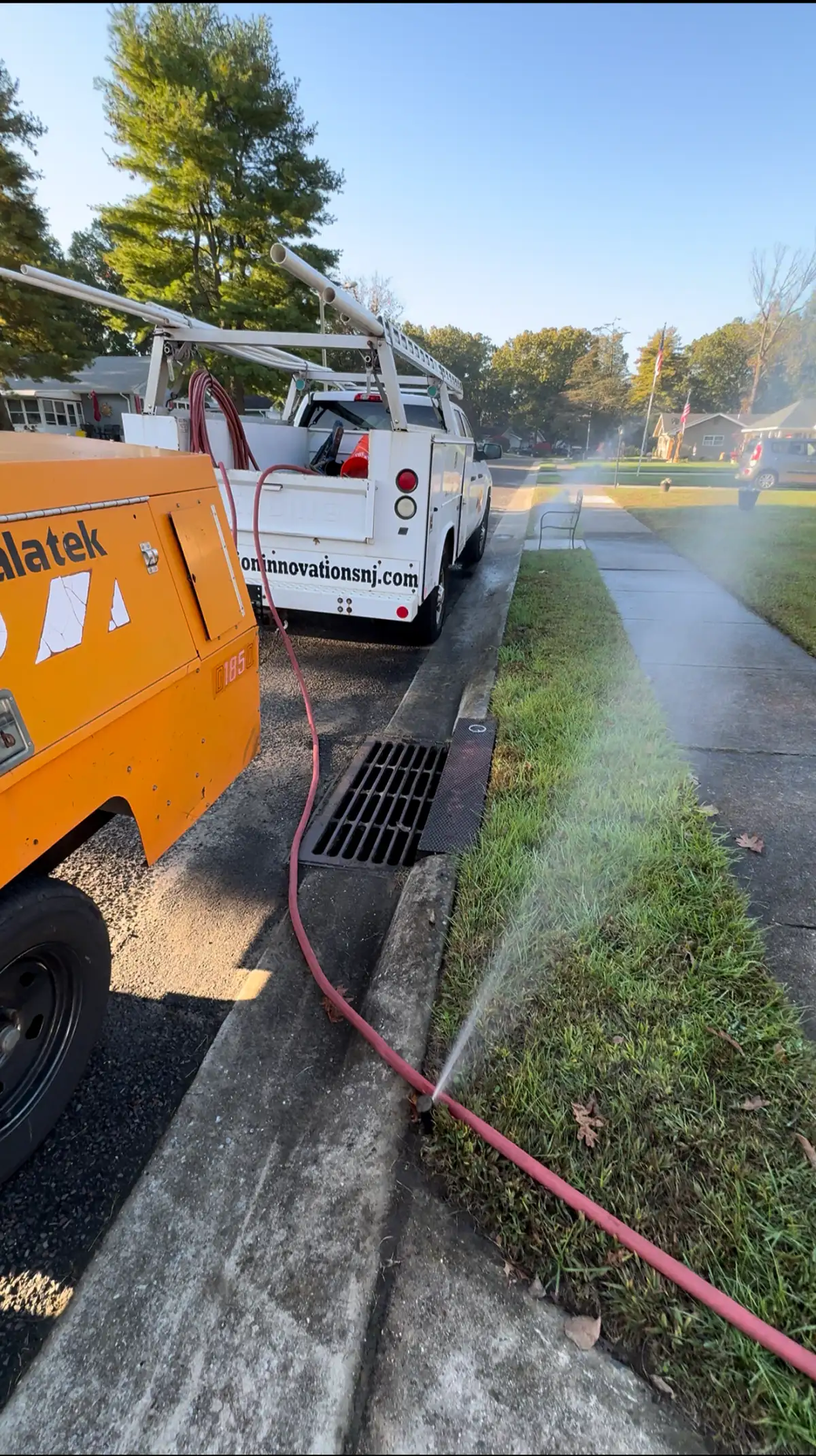
Irrigation winterization in New Jersey should be completed before the first hard freeze, typically by mid-to-late November. The process involves a compressed air blowout to remove all water from pipes, valves, and sprinkler heads to prevent freeze damage. Irrigation Innovations offers tiered pricing based on zone count (1-3, 4-6, 7-9, 10-12, and 13-15 zones) so you pay only for the size of your system.
South Jersey experiences freeze-thaw cycles from late November through March, with average winter lows reaching the mid-20s and occasional dips into the teens. Water left inside irrigation pipes expands by approximately 9% when it freezes, generating pressures exceeding 25,000 PSI — more than enough to crack Schedule 40 PVC pipe, split valve bodies, and shatter sprinkler head housings. A single winter without proper winterization can cause hundreds to thousands of dollars in damage.
We guarantee our winterization service — if your system was properly installed and we perform the blowout, freeze damage to winterized components is covered. This is not a guarantee you will find from every contractor.
How Sprinkler Winterization Works
The blowout method is the most effective and safest way to winterize an irrigation system in a freeze-prone climate like New Jersey. Here is exactly what happens during a professional winterization service:
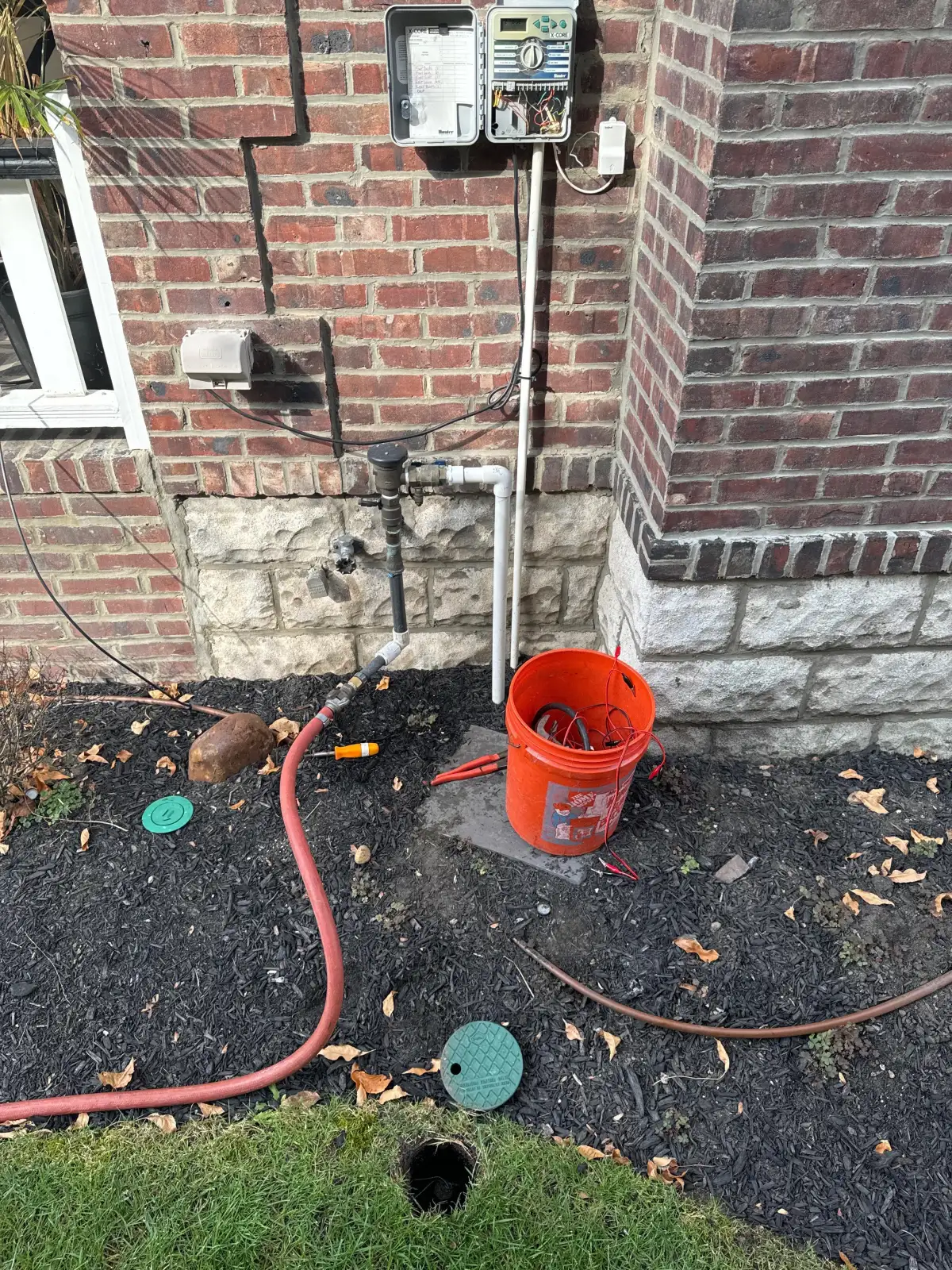
- Shut off the water supply — We close the main irrigation shutoff valve and backflow preventer to isolate the system from the municipal water supply.
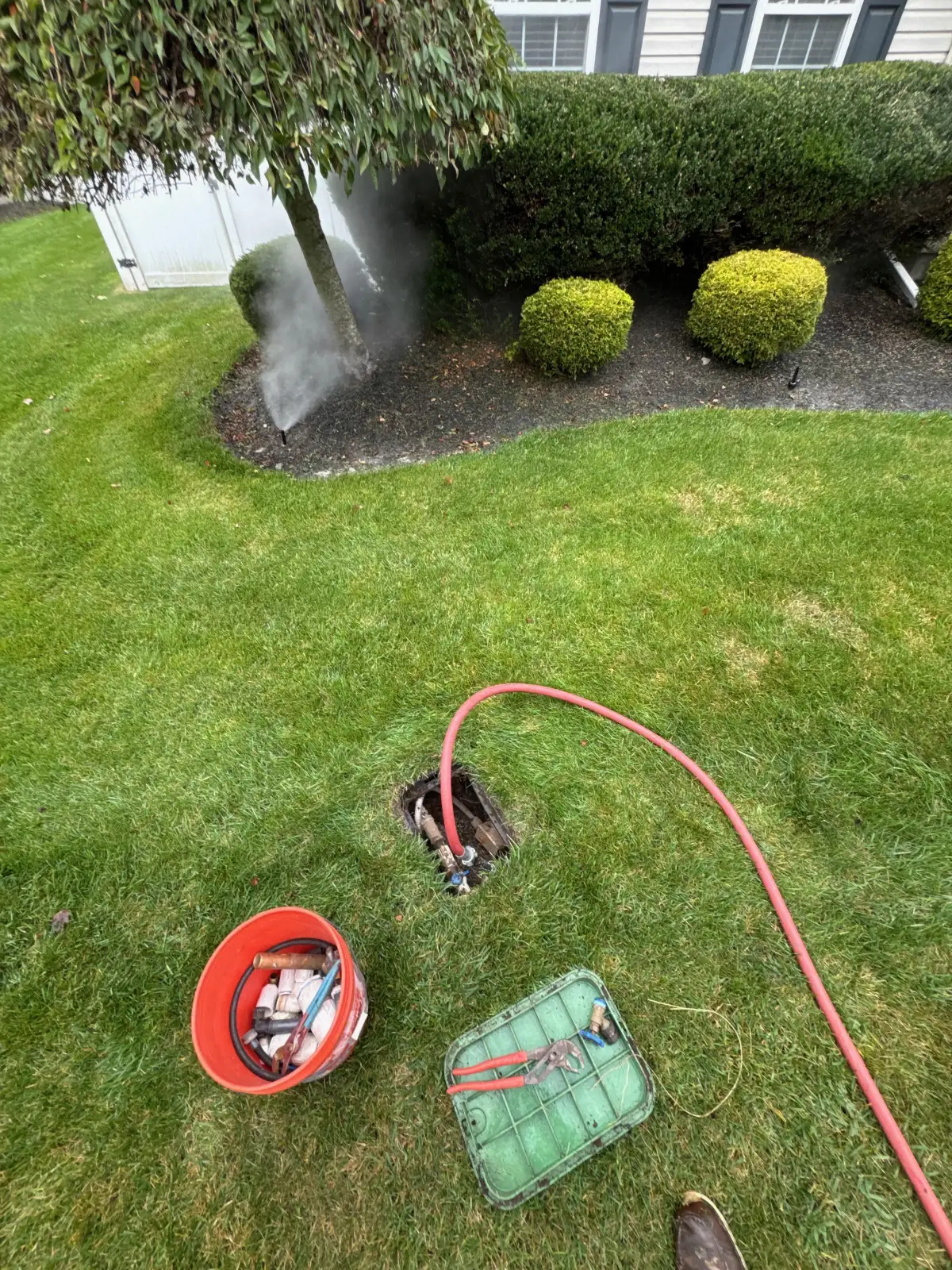
- Connect the air compressor — A commercial-grade air compressor is connected to the system through the mainline or a designated blowout port. We use compressors rated for irrigation systems — enough pressure to clear all water without damaging components.
- Zone-by-zone blowout — Each zone is activated individually and blown out until no water mist is visible from any head. This ensures every lateral line, valve, and head in that zone is completely clear.
- Controller shutdown — We set the controller to rain mode or off, and disconnect the rain sensor for winter. The controller stays powered to preserve programming.
- Backflow preventer drain — All test ports and drain plugs on the backflow preventer are opened to prevent trapped water from freezing in the device.
When to Winterize in South Jersey
The ideal window for irrigation winterization in South Jersey is mid-October through mid-November. The key threshold is the first sustained hard freeze — when nighttime temperatures drop below 28 degrees F for several consecutive hours.
Here is the general timeline for South Jersey counties:
- Gloucester and Camden Counties — First hard freeze typically arrives in late November. Schedule irrigation winterization in Gloucester County and Camden County by mid-November at the latest.
- Burlington County — Slightly earlier freezes in northern sections. Target early to mid-November for Burlington County winterization.
- Atlantic and Cape May Counties — Coastal moderation delays freezes. Late November is usually safe, but do not wait past early December.
- Salem and Cumberland Counties — More rural inland areas can see earlier frost. Early to mid-November is recommended.
We begin scheduling winterization appointments in mid-September. Our fall calendar fills quickly — especially the last two weeks of October and first two weeks of November. We strongly recommend booking early to secure your preferred date.
Winterization Pricing by Zone Count
We price winterization based on the number of zones in your system — you pay only for what you have. Not sure how many zones your system has? Check your controller or call us and we can look it up.
1-3 Zones
Small residential systems with basic coverage. Common for compact lawns and townhomes.
4-6 Zones
Standard residential systems covering front and back yards with separate flower bed zones.
7-9 Zones
Larger residential properties with multiple lawn areas, garden beds, and dripline zones.
10-12 Zones
Large residential or small commercial properties with extensive coverage requirements.
13-15 Zones
Large commercial properties, estates, or athletic facilities with complex multi-zone systems.
16+ Zones
Custom pricing for very large commercial or multi-building systems. Call for a quote.
Call (856) 716-1193 for current pricing. Rates vary by season and scheduling demand. Early-season bookings (September and October) often have the most availability.
Complete Seasonal Irrigation Care
Spring Start-Up
The counterpart to winterization — professional spring activation reopens your system safely and identifies any winter damage before the growing season.
Maintenance Plans
Bundle winterization with spring start-up and mid-season checks for year-round system health and maximum warranty coverage.
Sprinkler Repair
If winter damage has already occurred, our repair team can assess and fix cracked pipes, broken heads, and failed valves quickly.
Irrigation Winterization FAQs
Sprinkler systems in New Jersey should be winterized before the first sustained hard freeze, which typically occurs in mid-to-late November in South Jersey. The safest approach is to schedule winterization for late October or early November — this gives you a comfortable buffer before freezing temperatures arrive. Coastal areas in Atlantic and Cape May counties can sometimes wait until late November, but inland areas of Gloucester, Salem, and Cumberland counties should aim for mid-November at the latest.
While it is technically possible to winterize your own system, we strongly advise against it for several reasons. Consumer-grade air compressors often lack the volume (measured in cubic feet per minute) needed to fully clear larger zones — they may have enough pressure but not enough airflow. Incomplete winterization is actually worse than no winterization, because it creates a false sense of security while water remains trapped in low points and valve bodies. Professional-grade compressors deliver the sustained high-volume airflow needed to completely evacuate every pipe and fitting. The cost of professional winterization is a fraction of what a single freeze-damaged mainline repair costs.
Water freezes at 32 degrees F, but underground irrigation pipes have some insulation from the surrounding soil. A brief dip to 29 degrees may not cause immediate damage if the freeze is short-lived (a few hours). However, sustained temperatures below 28 degrees F for 4 or more consecutive hours pose a serious risk, especially for above-ground components like backflow preventers, valve boxes near the surface, and exposed pipe risers. The rule of thumb in the irrigation industry is the "30-30 rule" — if temperatures drop below 30 degrees F for more than 30 minutes, unprotected system components are at risk.
Irrigation winterization costs vary based on the number of zones in your system. Irrigation Innovations uses tiered pricing: systems with fewer zones cost less than larger systems. For current pricing specific to your zone count, call us at (856) 716-1193. The investment in professional winterization is modest compared to the cost of repairing freeze damage — a single cracked mainline can cost $150-$350 to repair, and a damaged backflow preventer can run $200-$500 to replace.
The 30-30 rule is an industry guideline: if air temperatures drop below 30 degrees F for more than 30 consecutive minutes, water in exposed or shallow irrigation components can begin to freeze. This applies primarily to backflow preventers, valve boxes near grade, and any above-ground piping. Underground mainlines buried 8-12 inches deep have more thermal protection, but will still freeze during extended cold snaps below 20 degrees. The 30-30 rule underscores why winterization before the first freeze is critical — once temperatures start cycling below freezing, damage can happen overnight.