
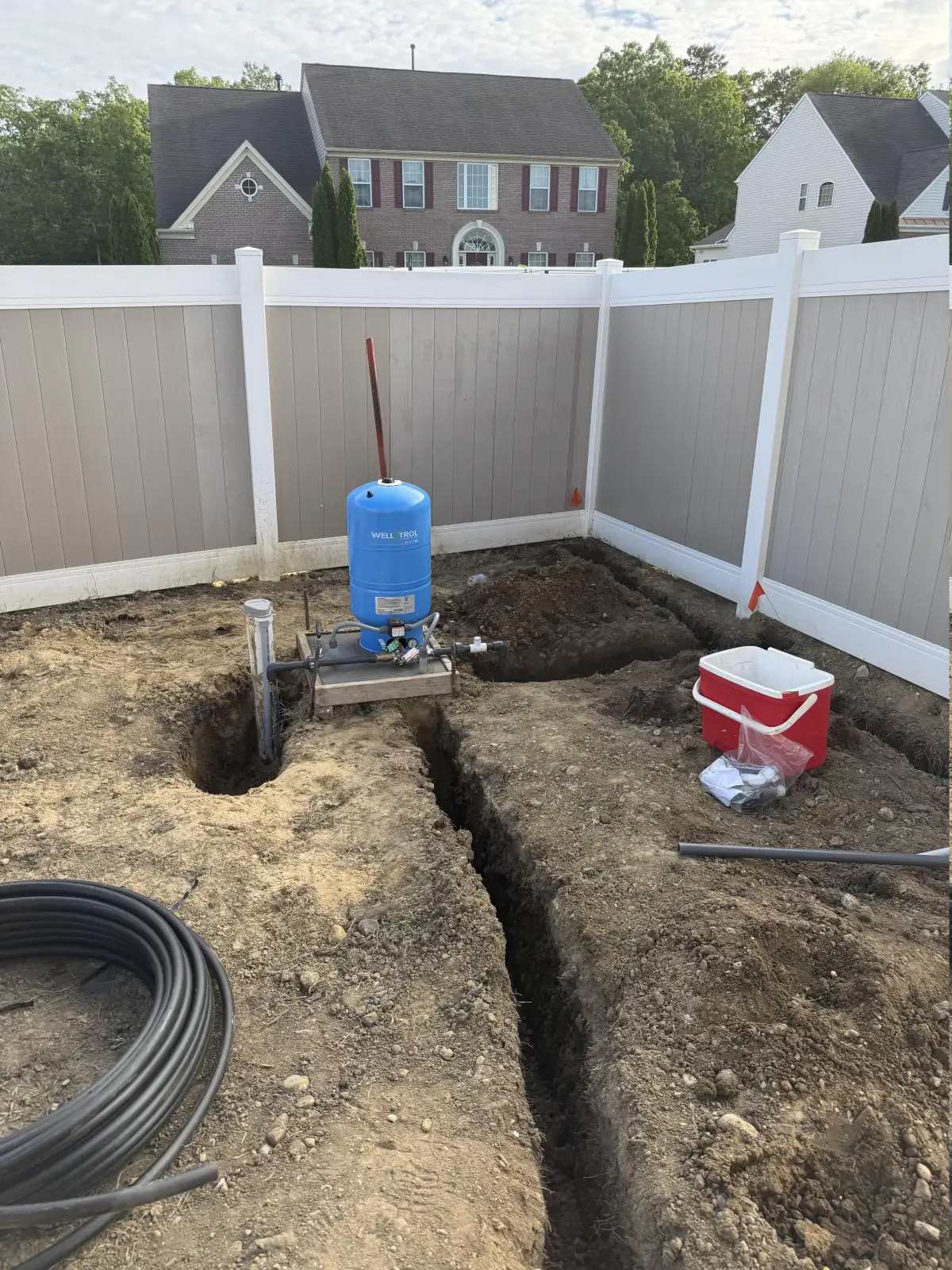
Irrigation Well Conversions in South Jersey, NJ
Stop paying municipal water rates to irrigate your lawn. A dedicated irrigation well can cut your outdoor water costs by 50-80%. Professional pump installation and system conversion across 7 NJ counties.
Dedicated Irrigation Wells for South Jersey Homeowners
A dedicated irrigation well can reduce your water bill by 50-80% by separating irrigation water from your municipal supply. Instead of paying $4-6 per 1,000 gallons of treated municipal water to irrigate your lawn, a well draws untreated groundwater at essentially no per-gallon cost after the initial installation. Irrigation Innovations specializes in well conversions and pump installations for South Jersey homeowners tired of high water bills.
South Jersey sits on the Kirkwood-Cohansey aquifer system, one of the most productive shallow aquifers on the East Coast. In many areas of Gloucester, Camden, Burlington, and Atlantic counties, adequate groundwater for irrigation is available at relatively shallow depths (typically 20-40 feet). This makes South Jersey an ideal location for dedicated irrigation wells — the water table is accessible and the aquifer recharge rate is sufficient for residential and small commercial irrigation demands.
For homeowners running a 6-8 zone irrigation system during the South Jersey growing season (April through October), municipal water costs for irrigation alone can reach $100-$300 per month. A dedicated well eliminates this recurring expense. Most well conversion projects pay for themselves within 2-4 seasons, depending on system size and local water rates.
How a Well Conversion Works
Converting your irrigation system from municipal water to a dedicated well involves several components that work together to deliver consistent water pressure and flow to your sprinkler system:
- Well assessment — We evaluate whether your property is a good candidate for an irrigation well based on location, soil type, local water table depth, and existing system flow requirements.
- Well drilling or existing well tie-in — If you already have an unused well on your property, we may be able to repurpose it. Otherwise, a licensed well driller installs a new irrigation-specific well.
- Pump sizing and installation — We size the well pump to match your irrigation system's flow and pressure requirements. The pump, pitless adapter, and discharge line are installed to deliver water from the well to your sprinkler mainline.
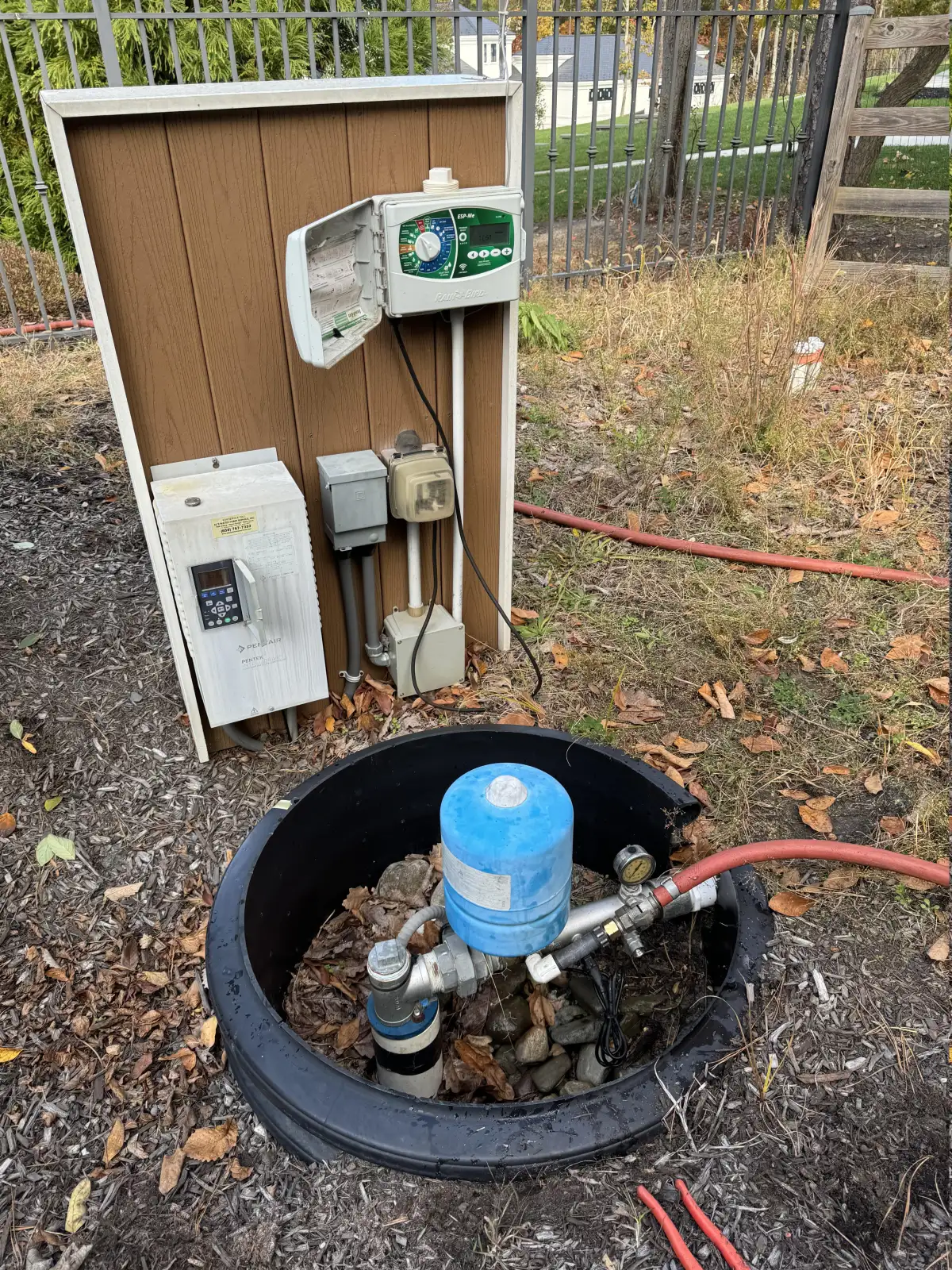
- Pump start relay — A pump start relay is wired to your irrigation controller so the well pump activates automatically whenever a zone runs. When the zone shuts off, the pump shuts off. No manual intervention required.
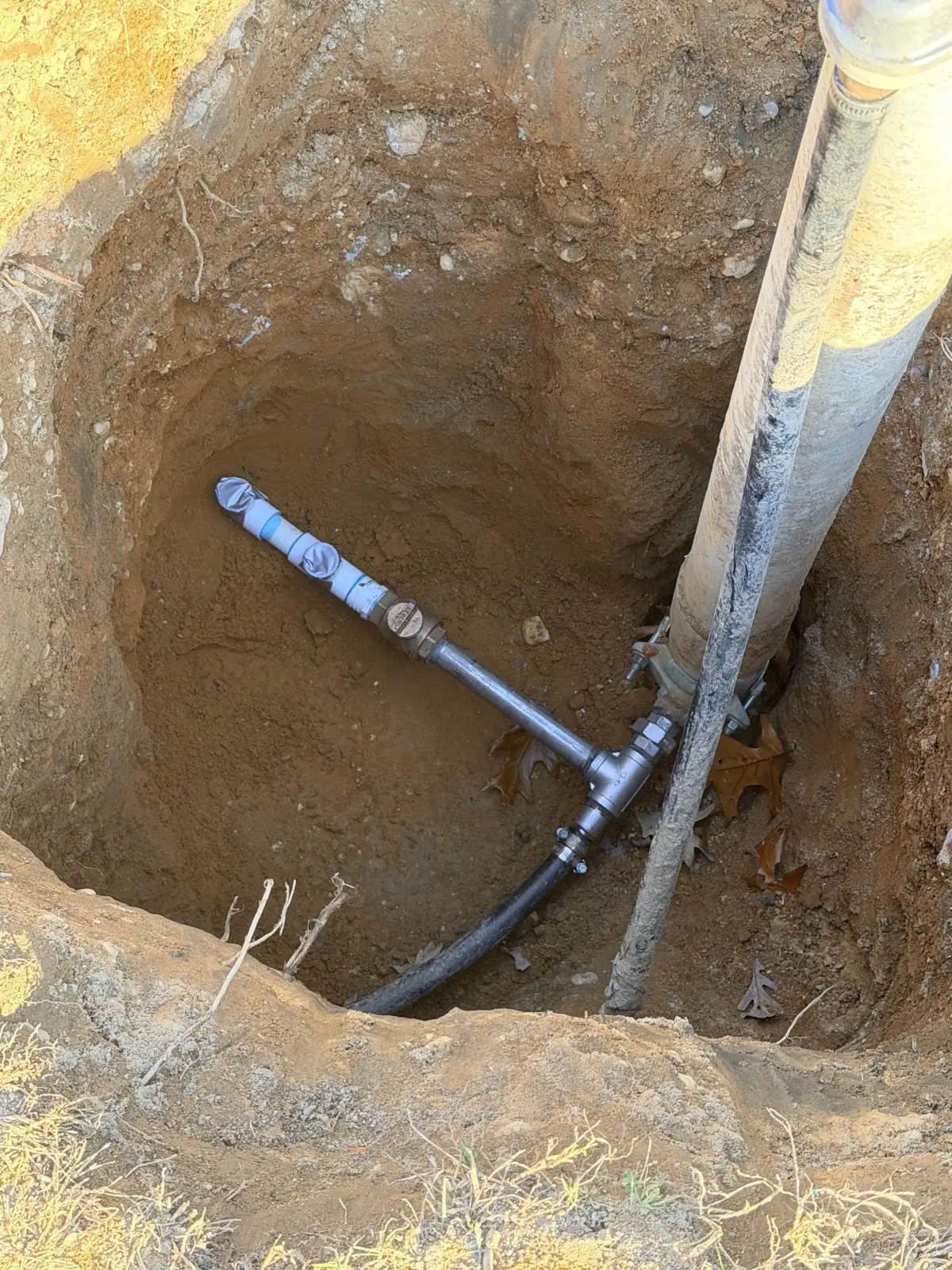
- System conversion — We disconnect the irrigation system from the municipal supply and connect it to the well pump discharge. A check valve prevents backflow, and a pressure tank ensures consistent pressure delivery.
Pump Start Relay Integration
A pump start relay is a critical component in any well-fed irrigation system. It acts as the bridge between your irrigation controller and your well pump, ensuring fully automated operation.
When your controller activates a zone, the pump start relay energizes the well pump. When the zone finishes its cycle and the controller moves to the next zone or shuts off, the relay keeps the pump running as needed. When all zones are done, the pump shuts down automatically. This means your well-fed irrigation system operates exactly like a municipal-connected system — you set the schedule, and everything runs hands-free.
We install pump start relays compatible with all major irrigation controller brands. If your existing controller does not have a pump start relay circuit (most modern controllers do), we can upgrade the controller as part of the conversion project.
For properties with existing wells already used for domestic water, we typically recommend a separate dedicated irrigation well or a dual-purpose pump system with appropriate pressure management to ensure your household water supply is not affected during irrigation cycles.
Why Convert to an Irrigation Well?
50-80% Water Bill Savings
Eliminate the single largest component of your summer water bill. Municipal water costs $4-6 per 1,000 gallons. Well water costs pennies in electricity to pump.
No Water Restrictions
During summer drought restrictions, municipal water customers face watering bans. A private well is exempt from most municipal irrigation restrictions in New Jersey.
Consistent Water Supply
Municipal pressure drops during peak demand hours when everyone is watering. A dedicated well pump delivers consistent pressure and flow regardless of neighborhood demand.
2-4 Season Payback
Most residential well conversions pay for themselves within 2 to 4 irrigation seasons through municipal water savings — then the savings continue year after year.
Compatible with Existing Systems
A well conversion works with your existing irrigation system. We disconnect from municipal and reconnect to the well — your zones, heads, and controller all stay the same.
Increases Property Value
A dedicated irrigation well is a tangible property improvement that future buyers value. It signals a well-maintained property with lower ongoing operating costs.
Complete Your System
Sprinkler Installation
Installing a new irrigation system? We can design it for well-fed operation from the start, with properly sized mainlines and pressure-matched heads.
Smart Controllers
Pair your well conversion with a smart controller for weather-based scheduling. Smart systems work seamlessly with pump start relays for fully automated operation.
Maintenance Plans
Well-fed systems need periodic pump checks and filter maintenance in addition to standard sprinkler care. Our maintenance plans cover the complete system.
Irrigation Well Conversion FAQs
Most South Jersey homeowners save 50-80% on their outdoor water costs after converting to a dedicated irrigation well. The exact savings depend on your system size, watering frequency, and local municipal water rates. A typical 8-zone residential system running 3 days per week during the growing season uses approximately 50,000-80,000 gallons from April through October. At South Jersey municipal rates of $4-6 per 1,000 gallons, that is $200-$480 per season in water charges alone — not including sewer surcharges that many municipalities add to water usage. A dedicated well eliminates these costs entirely; you pay only for the electricity to run the pump, typically $5-15 per month.
Yes. Most existing irrigation systems can be converted from municipal water to a dedicated well without modifying the zones, heads, or controller. The conversion involves disconnecting from the municipal supply, installing a well pump sized to match your system's flow requirements, adding a pump start relay to your controller, and connecting the well discharge to your existing irrigation mainline. We evaluate your current system's pressure and flow needs during the initial consultation to ensure the well pump will deliver adequate performance.
Yes. New Jersey requires all wells to be drilled by a licensed well driller and to comply with NJ DEP well construction standards (N.J.A.C. 7:9D). Irrigation wells must be properly cased, sealed, and sited at minimum setback distances from septic systems, property lines, and other potential contamination sources. Permits may be required depending on your municipality. We coordinate with licensed well drillers who handle all permitting and regulatory compliance for South Jersey installations.
Yes. A well-fed irrigation system needs winterization just like a municipal-connected system. The sprinkler pipes, valves, and heads are all the same and equally vulnerable to freeze damage. During winterization, we blow out all zones with compressed air and also drain the well pump discharge line and pressure tank. The pump itself is typically protected from freezing if it is below the frost line, but above-ground components like the pressure switch and discharge piping must be drained or insulated.