
Dripline and Drip Irrigation Installation in South Jersey, NJ
Water-efficient drip irrigation for garden beds, shrub borders, foundation plantings, and raised beds. Save 30-50% water compared to traditional sprinklers. Integrates with new or existing irrigation systems.
Professional Dripline Systems for South Jersey Properties
Drip irrigation delivers water directly to plant roots through a network of low-flow emitters and tubing, reducing water usage by 30-50% compared to traditional sprinkler systems. Irrigation Innovations installs professional dripline systems for garden beds, shrub borders, foundation plantings, raised beds, and landscape areas across South Jersey.
Unlike sprinklers that broadcast water over a wide area — including sidewalks, driveways, and bare soil — drip irrigation targets only the root zone of each plant. This precision eliminates overspray waste, reduces weed growth between plants (dry soil between emitters discourages germination), and minimizes leaf wetness that contributes to fungal disease in NJ's humid summer climate.
The EPA estimates that drip irrigation systems operate at 90-95% efficiency, compared to 50-70% for conventional spray sprinklers. For South Jersey homeowners concerned about water bills and landscape health, dripline is the most efficient irrigation method available for non-turf areas.
Where Dripline Works Best
Drip irrigation is the right choice for any landscape area where you need targeted watering without waste. Here are the most common applications we install across South Jersey:
- Foundation plantings — Shrubs and perennials along your home's foundation get consistent moisture without splashing water against your siding or windows.
- Garden beds and borders — Flower beds, perennial borders, and ornamental planting areas benefit from root-zone delivery that keeps foliage dry and reduces disease pressure.
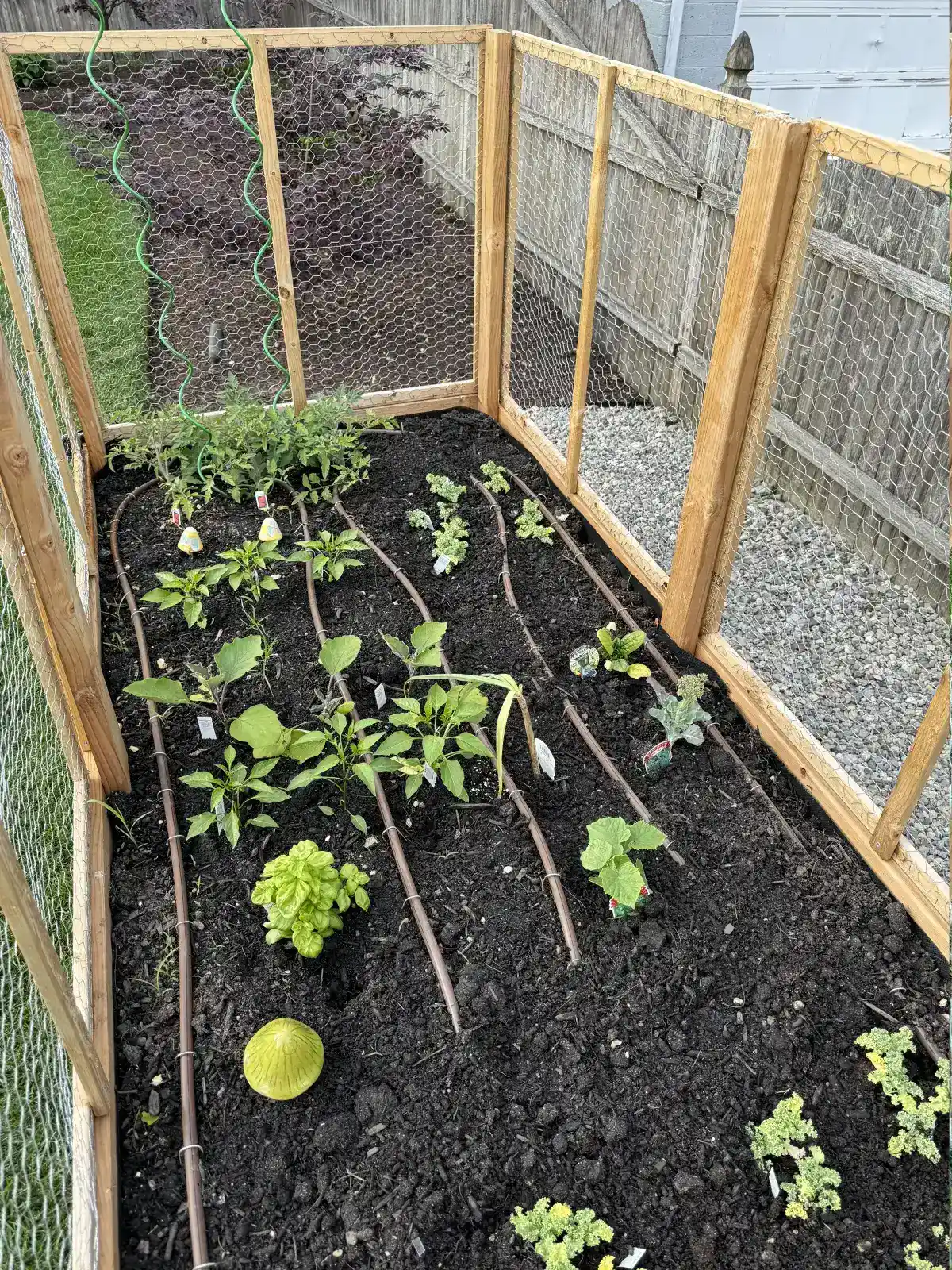
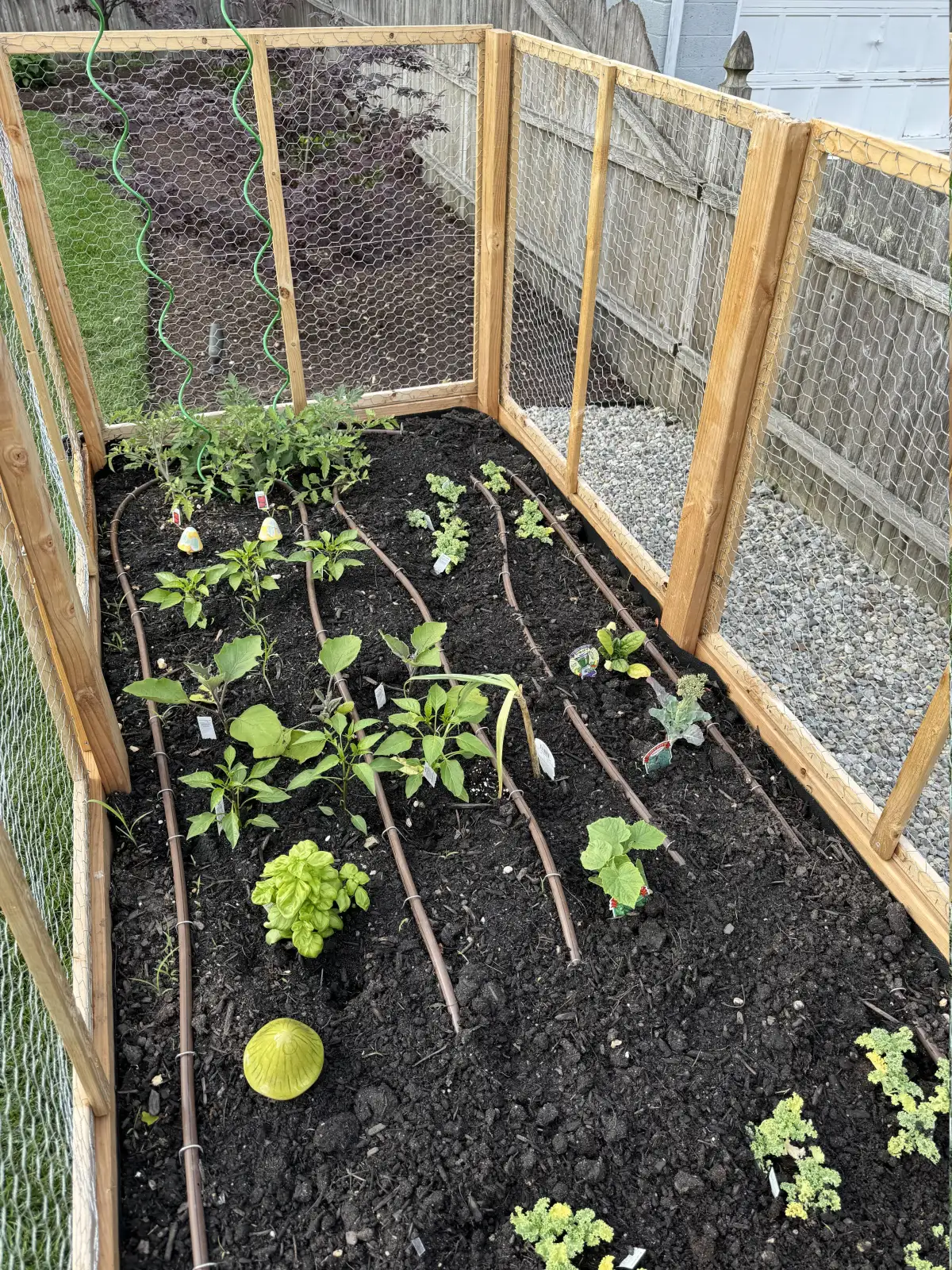
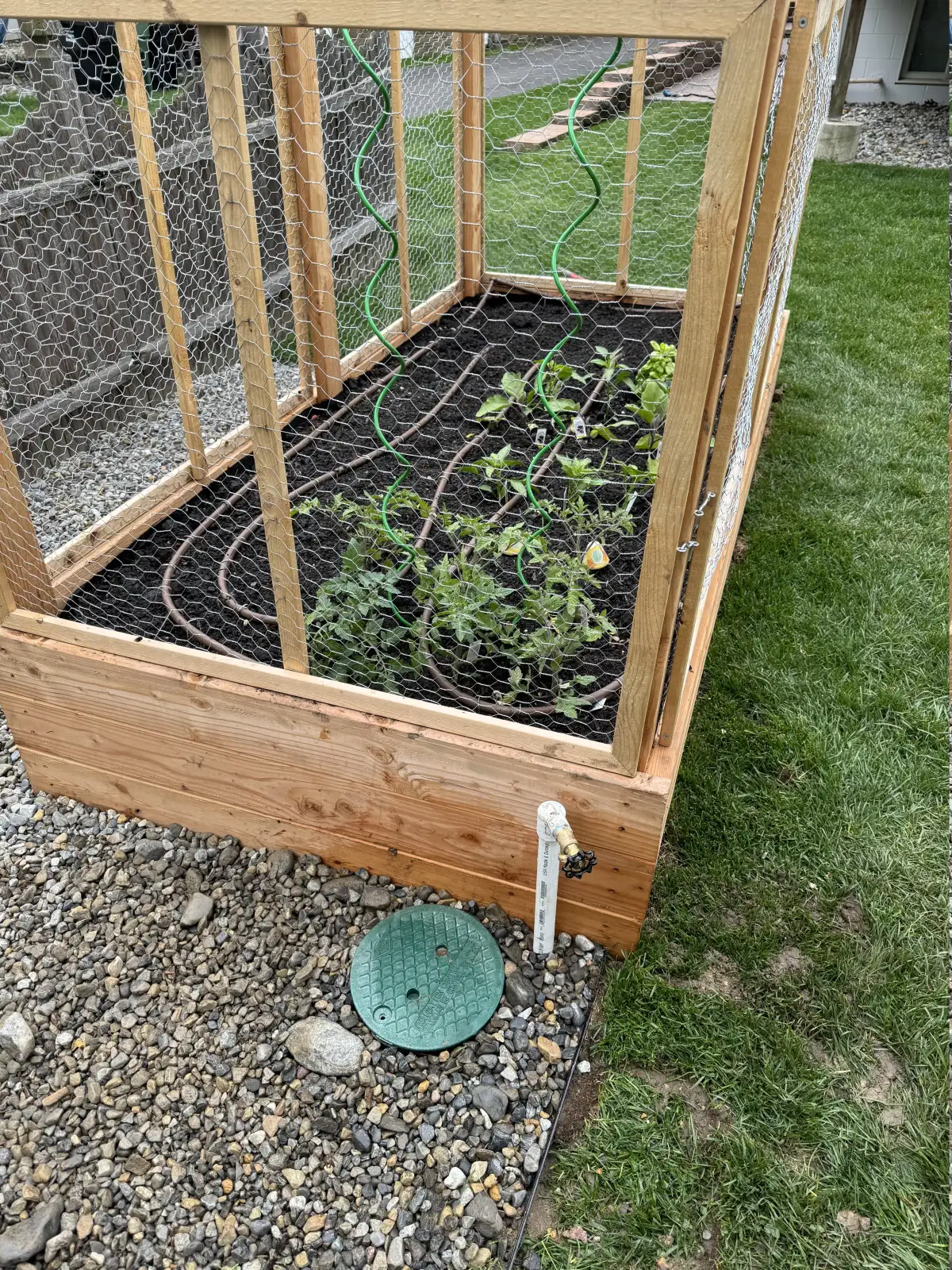
- Raised beds and vegetable gardens — Precise watering for edible gardens where water efficiency and uniform soil moisture are critical for plant health and yield.
- Slope and hillside plantings — Drip eliminates runoff on slopes where traditional sprinklers would waste water to downhill flow. Emitters deliver water slowly enough for soil to absorb it in place.
- Tree and shrub rings — Deep-root watering for newly planted or established trees, delivering water at the root zone where it matters most.
- Greenhouse and nursery — Commercial growing operations benefit from precision irrigation with automated scheduling and reduced labor.
How Drip Irrigation Compares to Sprinklers
Both drip irrigation and sprinkler systems have their place in a well-designed landscape irrigation plan. Here is how they compare:
- Water efficiency — Drip systems use 30-50% less water than sprinklers for the same planted area. Drip operates at 90-95% efficiency versus 50-70% for spray heads.
- Best for plant beds — Sprinklers are ideal for turf areas. Drip is ideal for non-turf planted areas. A complete irrigation system often uses both types across different zones.
- Weed suppression — Drip waters only where plants are, leaving soil between plants dry. This naturally reduces weed germination compared to broadcast sprinklers that water everything.
- Disease prevention — By keeping foliage dry, drip reduces the conditions that cause powdery mildew, leaf spot, and other fungal diseases common in NJ's humid summers.
- Wind resistance — Drip operates at ground level and is unaffected by wind. Sprinklers can lose significant water to wind drift on breezy days.
For most South Jersey properties, we recommend a combined approach: sprinkler zones for lawn areas and drip zones for beds, borders, and plantings. This gives you the best efficiency across your entire landscape.
Our Dripline Installation Process
Site Assessment
We evaluate your planting beds, soil type, plant spacing, and water source to design a drip system that delivers the right amount of water to each area.
System Design
We select the right emitter type and spacing for your plants — inline dripline for densely planted beds, individual emitters for widely spaced shrubs and trees.
Installation
We lay dripline tubing, install pressure regulators and filters, connect to your irrigation mainline (new or existing), and secure everything under mulch for a clean appearance.
Testing and Programming
Each drip zone is tested for uniform flow, checked for emitter clogs, and programmed on the controller with appropriate run times for your soil and plant types.
Complete Your Irrigation System
Sprinkler Installation
Pair dripline zones with sprinkler zones for complete whole-property irrigation. Custom-designed systems for turf and planted areas together.
Smart Controllers
Smart controllers can manage drip and spray zones separately with different schedules and run times — optimizing water delivery for each zone type.
Drip Maintenance
Drip systems need periodic flushing, emitter checks, and filter cleaning. Our maintenance plans include drip zone inspection and upkeep.
Dripline Installation FAQs
Drip irrigation typically uses 30-50% less water than traditional sprinkler systems for the same planted area. The EPA rates drip systems at 90-95% application efficiency versus 50-70% for spray sprinklers. The savings come from eliminating overspray, wind drift, and evaporation — drip delivers water directly to the soil at the plant root zone where it is actually absorbed. For a South Jersey property with 500 square feet of planting beds, switching from spray to drip can save 3,000 to 5,000 gallons per growing season.
Yes. Drip zones can be added to any existing irrigation system by tapping into an available valve station or adding a new zone. We install a pressure regulator and filter at the connection point (drip systems operate at much lower pressure than spray systems), then run dripline tubing to your planting beds. If your controller has open zone slots, no controller upgrade is needed. This is one of the most popular add-on services we offer to existing irrigation system owners.
Yes. Dripline zones must be winterized along with the rest of your irrigation system. During our winterization service, we blow compressed air through every zone including drip lines to remove all water before freezing temperatures arrive. Drip tubing is more flexible than PVC pipe and less likely to crack from a minor freeze, but the fittings, pressure regulators, and filters are still vulnerable to freeze damage. Winterization is included when we blow out the full system.