
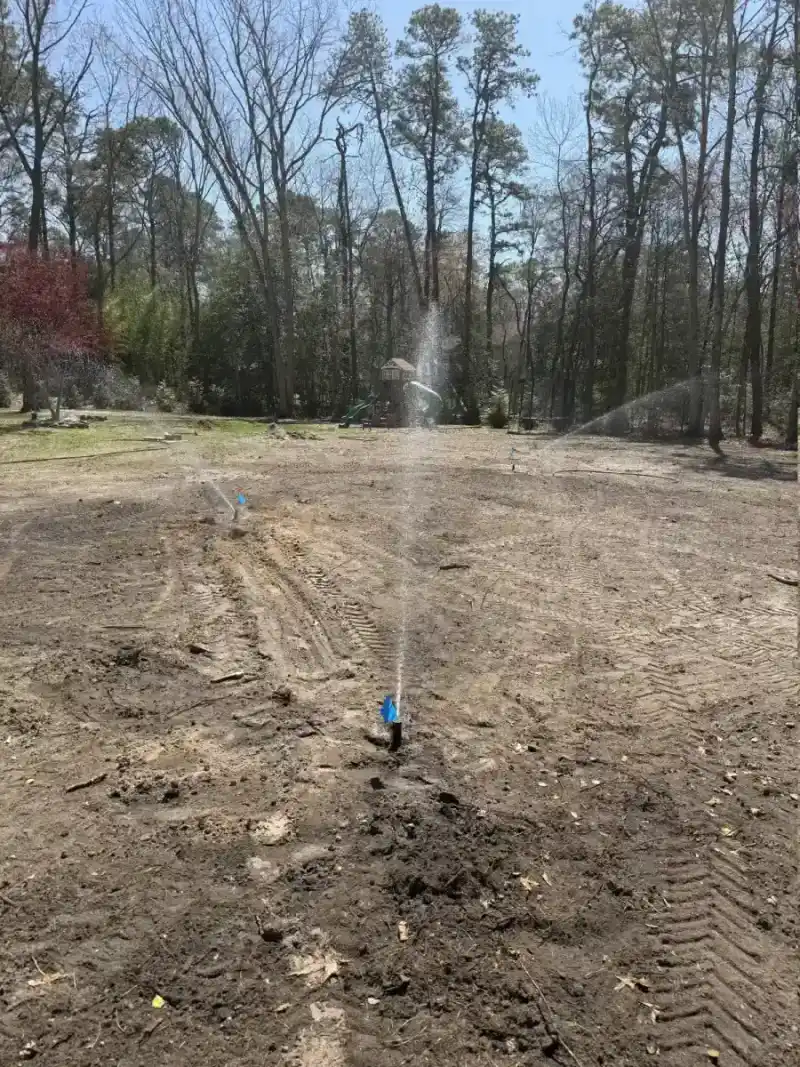
Why Better Zones Make a System Easier to Manage
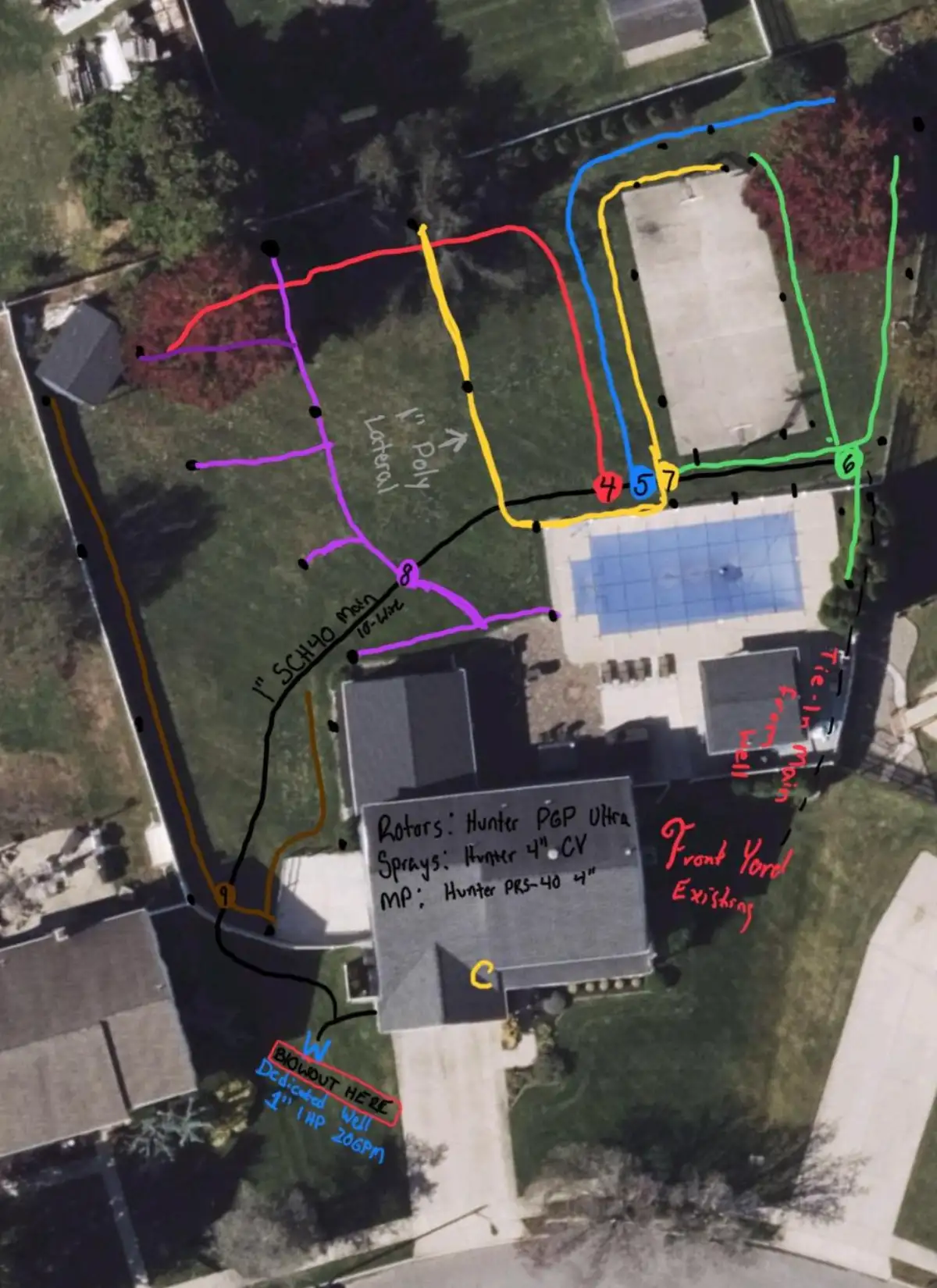
An irrigation zone should contain areas that can share the same watering method and schedule. When sunny turf, deep shade, a sloped strip, and shrub beds are tied together, the controller cannot satisfy one area without overwatering another.
Zone design connects the visible sprinkler heads to the less visible parts of the system: water source, valves, pipe sizing, wiring, controls, and service access. Irrigation Innovations designs and services irrigation systems from its Pitman base across Gloucester County and South Jersey.
Begin With What Is Being Watered
Turf generally needs even surface coverage, while shrubs, foundation beds, and garden rows often benefit from water delivered closer to the root zone. That is why a property may use rotors on a broad lawn, spray heads in a compact area, and dripline in planting beds.
Keeping those methods on separate zones gives each one an appropriate runtime. It also reduces the chance of watering mulch, siding, or pavement just to keep nearby turf green.
Divide Sun, Shade, and Slope
A south-facing front lawn can dry faster than a backyard shaded by mature trees. A slope may shed water before it soaks in, while a level low spot may remain wet. In Gloucester County, those differences can appear on the same compact property as easily as on a larger Mullica Hill or Woolwich lot.
Separate control makes it possible to use shorter repeated cycles on a slope, reduce runtime in shade, and adjust open turf without changing every station.
Design Within Available Pressure and Flow
A zone can only support the demand the water source can deliver. Too many heads operating together may create weak arcs and poor overlap even when every component is new. Municipal supply and irrigation wells can each require different planning around available flow, pressure, backflow protection, and pump behavior.
Head type, nozzle demand, pipe layout, and zone size should be selected together. On some larger properties, an irrigation well conversion may be part of that discussion.
Keep Valves and Controls Understandable
A good plan is serviceable after installation. Valve boxes should remain accessible, controller stations should be labeled by real areas, and zones should operate in a sequence a homeowner can recognize. “Front sun,” “north side,” and “rear beds” are more useful than a mystery list of station numbers.
A smart controller can add weather-aware adjustments and remote access, but its recommendations are only as useful as the zone information entered during setup.
Walk Through a Typical Mixed Property
A Gloucester County home might use one rotor zone for open front turf, a separate spray zone for a narrow side yard, another zone for the shaded rear lawn, and dripline for foundation beds. If a sunny curb strip dries quickly, it may need control separate from the shaded lawn rather than a longer runtime for both.
Existing systems can often be improved by correcting heads and schedules. Redesign becomes worth considering when incompatible areas are permanently tied together or the available pressure cannot support the original layout.
Irrigation Zone Design FAQ
Which landscape areas should be placed on separate irrigation zones?
Areas with different plant types, watering methods, sun exposure, slope, soil behavior, or pressure needs should be controlled separately when practical. Turf and dripline beds are a common example.
Is irrigation system service different from sprinkler repair?
Yes. Sprinkler repair is one part of irrigation service. Irrigation system work may also include controller programming, dripline, valve diagnostics, well conversion planning, seasonal startup, winterization, and system design. If you are not sure what to request, describe the symptom and the property layout.
When should Gloucester County homeowners schedule irrigation startup and winterization?
Startup is usually planned after the risk of hard freezing has passed and before regular lawn watering is needed. Winterization should be scheduled in fall before freezing temperatures can damage pipes, valves, heads, and backflow components. Peak seasonal windows can fill quickly.
Does Irrigation Innovations serve Gloucester County irrigation system customers?
Yes. Irrigation Innovations LLC is based in Pitman and serves Gloucester County as part of its South Jersey coverage area. Call (856) 716-1193 or use the contact form to request scheduling and describe the system issue.